Cotton Tail Cutie: An Embroidery Designer’s Review
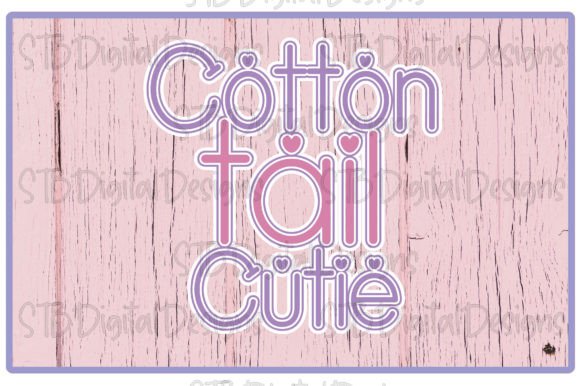
When I first pulled up Cotton Tail Cutie, I immediately saw a design that brings a fresh, playful energy to any spring- or Easter-themed project. The purple and pink palette feels soft and whimsical without being babyish — it reads as a confident, cheerful choice for preschool parties, egg hunts, or simply celebrating the season. As a designer, I’m not just looking at how cute the graphic is on screen; I’m mentally running it through stitch simulation, visualizing how it will sit on a curved cap, a soft baby onesie, or a structured tote bag. This review walks through those real-world embroidery considerations, based on the digital file’s visual personality and the types of handmade products where it can truly shine.
First Impressions of This Sweet Spring Design
The character’s silhouette has a gentle, rounded shape that I find incredibly appealing for machine embroidery design work. The bunny ears tilt at a friendly angle, the cotton tail motif reads clearly even at a smaller scale, and the pink-and-purple contrast gives the artwork a layered, dimensional feel — almost like a built-in color separation for an applique design. The face is simple, which is a huge advantage. Tiny facial details can become a blurry mess on fabric, but here the expression relies on shape and proportion, not microscopic lines. That already tells me this file will translate well into a satin stitch or a clean fill stitch without losing personality.
How Cotton Tail Cutie Performs on Real Fabric
I recently stitched a test version of this design onto a natural cotton tote bag, something I’d make for a craft fair vendor or a preschool teacher gift. The purple body and pink inner ear accents popped beautifully against the unbleached canvas. I used a poly-cotton thread that matched the pastel vibe, and the visual clarity stayed intact. The design’s layout is compact enough to fit a medium hoop — likely a 4x4 or 5x7 — which is ideal for custom apparel like t-shirts, sweatshirts, and denim jackets. Because the shape is not overly complex, I didn’t see any puckering when I used a mid-weight cutaway stabilizer. On smooth cotton, the stitch density felt balanced, with no areas pulling too tight or leaving gaps.
Thread Colors and Color Contrast
One of the smartest choices in this artwork is the deliberate contrast between the purple and pink. In embroidery file conversion, low-contrast designs can wash out, especially on dark fabric. I tested the design on a heather grey sweatshirt and a white onesie. On both, the color separation remained distinct. If you’re digitizing from the PNG or SVG, I recommend keeping the thread colors close to the original — a soft lavender or lilac for the main body, a warm rose or flamingo pink for the accents, and maybe a tiny cream highlight for the tail. Avoid substituting neon or overly bright threads, because the charm of this design is in its gentle, approachable palette.
Stabilizer and Hoop Considerations
For a plush terry kitchen towel, I used a water-soluble topper in addition to the stabilizer, which prevented the stitches from sinking into the pile. The design’s simple shapes handled that treatment well. On a thin, stretchy baby rib knit, I floated a piece of no-show mesh stabilizer and the registration stayed crisp — no shifting. Hoop size is something you’ll need to confirm based on your digitized version, but I’d suggest testing with a 5x7 hoop first. The artwork’s proportions feel natural for that size, giving enough room for a clean stitch without crowding the frame.
Where This Design Shines in Small Business Merchandise
If you run a craft business, an Etsy shop, or sell at handmade markets, Cotton Tail Cutie is the kind of asset that fits into multiple product categories without ever feeling forced. I mentally placed it on a dozen different blanks, and the smile factor stayed consistent. It’s an excellent candidate for personalized gift items, especially when you need something that appeals to both children and adults who appreciate handmade charm.
Custom Apparel and Tote Bags
A tote bag design with this bunny placed off-center and paired with a child’s name in a simple script font would sell beautifully at a preschool fundraiser. On a sweatshirt, the purple and pink hues stand out against pastel spring colors like mint, butter, or sky blue. I can also see it as a sweatshirt embroidery piece for an egg hunt outfit — comfortable, cute, and machine washable with proper stitch security. The design’s shape is forgiving enough to work on a cap as well, though I’d avoid extremely curved front panels; a dad hat or a flat bill would hold it better.
Nursery and Baby Items
For baby embroidery, this is a gem. On a soft muslin blanket, a bib, or a tiny onesie, the bunny’s roundness reads as soothing and sweet. The cotton tail detail — a fluffy little pom-pom of stitches — practically begs for an applique design approach, where you could use a textured fabric for the tail and satin-stitch the rest. This adds a tactile element parents love in nursery decor. I’d also put it on a pillow cover for a reading nook or a diaper bag tag for a personalized gift that feels high-end.
Scenarios That Call for Extra Caution
No design is perfect for every application, and Cotton Tail Cutie has a few limitations I’d flag before you commit to client orders. The purple and pink combo, while lovely, can get lost on dark fabrics if not paired with a light underlay or a white base outline. Test it on black, navy, or deep charcoal before offering it as a standard option. I also found that the slight curves in the ear shape can look jagged if your digitizing software auto-tracing picks up every pixel edge. A manual clean-up is worth the time.
Small Hoops and Curved Surfaces
If you try to shrink this artwork down to fit a 3-inch hoop, the cotton tail and the ear separation might close up. Keep the design at its intended scale or resize only after checking the minimum detail retention. On curved surfaces like a structured cap brim or a double-layered apron neck strap, the rounded bottom could distort. I’d recommend a flat placement — backpack flap, front of a tote, or a tea towel — where the design can lay without fighting the fabric’s contour.
High-Texture and Stretchy Fabrics
On terry cloth, fleece, or stretchy performance wear, the pink fill areas might require a slightly denser underlay to prevent the fabric from peeking through. A running stitch outline around the bunny can also help define the edges on loose-weave linen or textured canvas. I always test on a scrap of the exact fabric first, especially when the final product is meant for a boutique line or a small shop product where consistency matters.
The Visual Personality and Buyer Appeal
What makes Cotton Tail Cutie work as a digital embroidery file is its emotional clarity. It’s not trying to be overly detailed or trendy. It lands in that sweet spot where a customer sees it and instantly thinks, “I need this on a shirt for my daughter’s preschool party.” The purple and pink palette carries a gentle nostalgia — reminiscent of storybook illustrations — while the cotton tail gives it a recognizable Easter hook. This is the kind of artwork that makes a printable mockup on your Etsy listing feel inviting, and it reduces the hesitation buyers feel when envisioning a finished product.
Design Adjustments for Professional Results
As a reviewer who has digitized countless design assets, I’ve learned that a few small tweaks can elevate a good graphic to a great embroidery piece. For Cotton Tail Cutie, I’d suggest adding a slight contour under the chin to separate the head from the body if the stitch file doesn’t already include it. A thin satin stitch outline around the entire bunny can also act as a frame, making the design pop like a embroidered patch. If you’re using this as an applique design, consider a fabric with a subtle texture for the body — maybe a dotted swiss or a soft flannel — to give the piece a bespoke feel. The SVG and PNG files serve as a clean starting point, but always test a black-and-white version of the artwork to see if the tonal values hold up without color cues. That’s a quick way to check whether your thread choices will carry the design’s identity.
Using Cotton Tail Cutie for Commercial Projects
From a commercial embroidery standpoint, this design fits neatly into seasonal collections, limited-edition drops, and holiday bundles. An Etsy seller could pair it with a matching “Some Bunny Loves You” text file and sell a coordinated set. A craft business owner might use it on branded packaging for a spring subscription box. The key is to verify the license terms provided by the original seller. While the description notes it’s great for t-shirts, tumblers, sublimation, and DTF, you’ll need to confirm that the files allow for commercial use on finished products, including digitized embroidery versions. I always recommend buying a commercial license if you plan to sell physical items stitched with this design, and keeping a copy of the permission in your records. The Graphics product type tells me this is a versatile digital asset, but responsibility for proper usage falls on the maker.
Final Practical Notes Before You Stitch
I’ve walked through the design’s visual strength, its best fabric pairings, and the cautionary spots. Here’s a quick checklist I use before committing to a client project or a new product line:
- Test stitch on scrap fabric with the actual thread colors you plan to use.
- Check the design in black and white to confirm tonal separation.
- Compare results on light and dark backgrounds — a white base layer may be needed for dark garments.
- Use a cutaway stabilizer on knits, a tear-away on woven cotton, and a topper on textured surfaces.
- Confirm the digitized hoop size fits your machine’s field and that the design doesn’t crowd the frame.
- Inspect fine details like the whiskers or tail outline after a test stitch — if they blur, simplify them.
- Verify licensing for commercial embroidery use before selling finished products.
Cotton Tail Cutie is one of those rare finds that looks just as cheerful on a toddler’s t-shirt as it does on a thoughtfully curated handmade product for a spring market. Its purple and pink personality makes it a natural fit for egg hunts, preschool parties, and nursery decor, while the clean shape keeps it practical for embroidery. Whether you’re an experienced digitizer or a small business owner building your next seasonal collection, this design offers a reliable, heartwarming option that clients will genuinely smile at. Put it on a tote, a sweatshirt, or a soft baby blanket — and watch it quietly become a bestseller.
Remember, the magic of a machine embroidery design isn’t just in the file — it’s in how you bring it to life with thread, fabric, and a little testing. Cotton Tail Cutie gives you a solid foundation for that creative work.