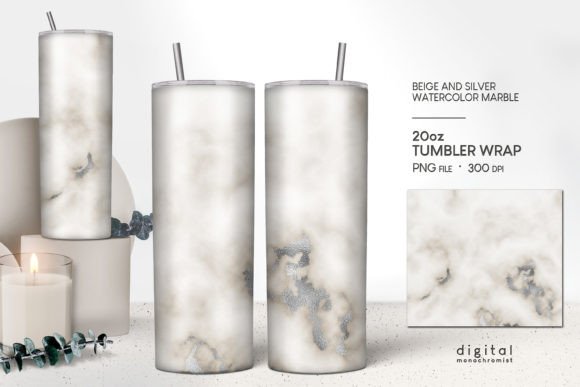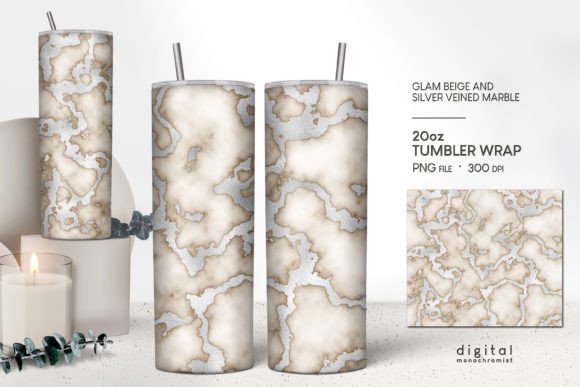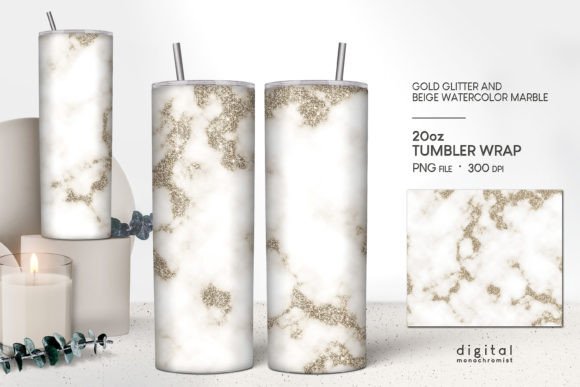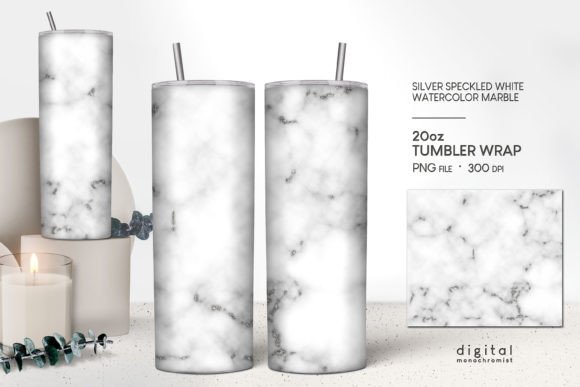
Silver Glitter Beige Marble Tumbler
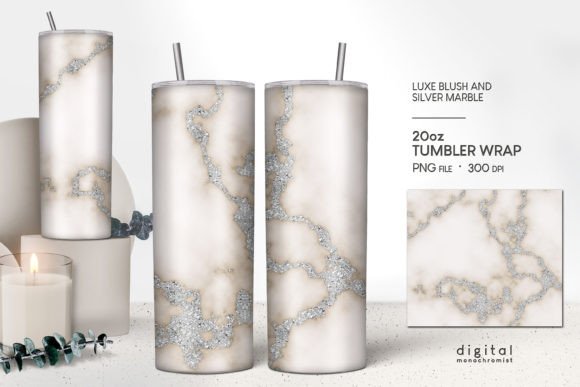
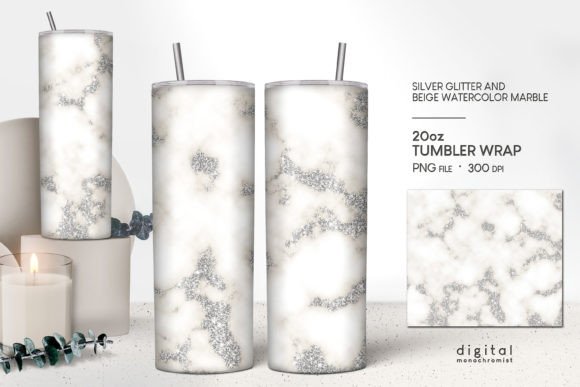
When I first opened the Silver Glitter Beige Marble Tumbler design file, I immediately saw a pattern that knows exactly what it wants to be. This is not a loud, attention-grabbing graphic. It is a quiet, confident, and surprisingly flexible design that leans into soft luxury. The beige marble base carries gentle, organic swirls that feel natural and unforced, while the silver glitter element adds just enough sparkle to catch light without tipping into overly flashy territory. The overall mood sits somewhere between modern minimalist and softly glamorous, which is a sweet spot for many handmade products right now.
As a designer who regularly evaluates digital files for real embroidery and craft use, I look beyond how something appears on a screen. I think about how it will translate to thread, fabric, and finished goods. The Silver Glitter Beige Marble Tumbler graphic, while originally created as a tumbler wrap, has a visual language that absolutely deserves consideration for embroidery projects, sublimation pieces, and hybrid craft applications. The marble texture, the subtle shimmer, the neutral beige palette—these elements open up a surprising range of creative possibilities.
What This Design Communicates Before a Single Stitch
There is a mood here that I would describe as elevated everyday elegance. The beige marble background feels organic and grounding, reminiscent of natural stone, clay, or even soft linen textures. The silver glitter overlay does not dominate the design. Instead, it punctuates the marble with small moments of brightness, like light catching the edge of a polished surface. This balance makes the Silver Glitter Beige Marble Tumbler feel appropriate for both casual and slightly dressed-up projects.
I can immediately picture this aesthetic working on a custom embroidered tote bag for a boutique client, where the marble pattern serves as a printed base and the embroidery adds a monogram or a small floral accent on top. The beige tones are forgiving and neutral enough to pair with almost any thread color, from soft blush pinks to deep charcoal grays. The silver glitter element suggests a touch of celebration, which makes this design especially appealing for holiday gifts, wedding party items, and personalized products meant to feel a little special.
Finding the Right Embroidery Project for a Marble-and-Glitter Aesthetic
Not every design fits every project, and I always advise makers to match the visual personality of a graphic to the product it will adorn. The Silver Glitter Beige Marble Tumbler has a refined, neutral quality that naturally suits certain embroidery applications better than others.
For custom apparel, I would lean toward items where the marble pattern can serve as a sophisticated backdrop. A sweatshirt with a small embroidered logo or name centered over this marble graphic would look polished and intentional. The beige tones work beautifully on cream, ivory, soft gray, and even muted blush fabrics. On a tote bag design, this pattern could cover a panel or pocket area, with embroidery adding a crisp, contrasting element in a solid satin stitch.
For home decor embroidery, the possibilities are genuinely exciting. I can see this pattern printed onto a pillow cover, with embroidered botanical sprigs or a delicate border stitch framing the edges. Kitchen towels, tea towels, and apron accents would also benefit from the neutral marble base, especially when paired with embroidered text in a clean, modern font. The Silver Glitter Beige Marble Tumbler brings a subtle texture that elevates simple household items into something that feels curated and boutique-worthy.
For baby and nursery items, the soft beige palette is a natural fit. A baby blanket with this pattern as a corner accent, combined with embroidered initials or a small animal motif, would feel gentle and timeless. The silver glitter is subtle enough that it does not overwhelm the softness required for baby products, which is a genuine concern with many glitter-heavy designs.
How the Pattern Reads on Different Surfaces and Fabrics
One of the first things I mentally test with any design is how it will behave across different fabric types. The Silver Glitter Beige Marble Tumbler graphic, with its organic swirls and scattered glitter points, has a forgiving structure that does not rely on perfect alignment or extremely crisp edges. This is a significant advantage for embroidery projects where fabric texture and stitch behavior can soften or alter the final look.
On smooth, tightly woven fabrics like cotton canvas, linen, or high-quality quilting cotton, the marble pattern will read clearly and the glitter points will stay distinct. This is ideal for tote bags, pillow covers, and structured aprons. On textured or stretchy fabrics like fleece, French terry, or knit blends, the marble swirls may lose some definition, but the overall impression of a soft, neutral pattern with occasional sparkle will still hold. I recommend testing the design on a fabric scrap before committing to a full project, especially if you plan to layer embroidery over the printed graphic.
On dark fabrics, the beige marble base will create a strong contrast, which can look striking but also requires careful consideration of the overall composition. The silver glitter points will pop more dramatically against a dark background, which might shift the design from subtle elegance toward bolder contrast. This is not a flaw, just a design choice worth previewing. I often suggest makers create a quick paper mockup or a digital preview on both light and dark backgrounds before finalizing a project direction.
Real-World Embroidery Scenarios and Practical Considerations
Let me walk through a real scenario. I recently prepared a set of custom embroidered pillow covers for a client who wanted something neutral but with a hint of personality. The Silver Glitter Beige Marble Tumbler graphic would have been a strong candidate for the pillow base, with a simple embroidered monogram in a coordinating thread color. The marble pattern provides visual interest without competing with the embroidery, and the beige palette keeps the overall look cohesive and calm.
In terms of stitch clarity, if you are layering machine embroidery over this printed graphic, you need to consider how the underlying pattern interacts with your stitch choices. Dense fill stitches in a solid color will sit cleanly on top of the marble pattern, creating a nice layered effect. Satin stitch lettering, especially in a contrasting color like deep espresso brown or soft ivory, will read clearly and maintain its professional edge. Running stitch details, on the other hand, might get visually lost in the busier areas of the marble swirls, so I would reserve those for the less textured sections of the pattern or use them sparingly.
For small hoop sizes, the marble pattern will naturally crop into a more concentrated section of the design. This can work beautifully for patches, small apparel accents, or compact personalized items. Just be aware that the glitter points may cluster more densely in a cropped view, which could shift the balance of the design. I always recommend reviewing the full graphic file and identifying which section you want to feature before setting up your hoop.
Thread Colors, Stabilizer, and the Technical Side of Things
While the Silver Glitter Beige Marble Tumbler is a PNG graphic rather than a pre-digitized embroidery file, the thread choices you make for any embroidery layered on top will define the final product. The beige marble base is wonderfully neutral, which means your thread palette can range from warm earth tones to cool silvers and grays without clashing. I have found that a slightly warm ivory thread, a muted taupe, or even a metallic silver thread for the embroidery accents can tie the whole piece together beautifully.
When printing the graphic onto fabric for embroidery use, pay close attention to the stabilizer you choose. If the printed fabric has any additional stiffness from the printing process, a medium-weight cutaway stabilizer is usually sufficient for most embroidery applications. For stretchy or lightweight fabrics, a fusible stabilizer or a layer of tear-away backing can help prevent puckering and keep the printed graphic smooth under the embroidery stitches.
I also recommend testing the printed graphic for colorfastness before washing, especially if the finished product is a garment or kitchen item that will see frequent laundering. The last thing any maker wants is a beautiful embroidered piece where the underlying printed pattern fades or bleeds after a few washes.
Where to Use This Design Carefully
No design is perfect for every single application, and the Silver Glitter Beige Marble Tumbler has a few scenarios where I would exercise extra caution. On curved surfaces like caps or hats, the marble pattern may warp or distort in ways that feel less intentional. The organic swirls are forgiving, but the glitter points could cluster oddly on a curved surface, so I would test a small sample first.
On very thin or sheer fabrics, the beige marble base may appear washed out, and the silver glitter could read as scattered dots rather than an integrated sparkle effect. If you are working with lightweight voile, organza, or thin cotton lawn, consider whether the pattern density is sufficient to carry the design. A backing layer or a more substantial fabric choice might be the better route.
For products that need frequent washing, such as kitchen towels or children's clothing, the printed graphic will need to be properly sealed and tested for durability. The embroidery layered on top can also benefit from a slightly denser underlay stitch to maintain its integrity through repeated wash cycles. As always, running a wash test on a sample piece before producing a full batch is sound advice.
Commercial Appeal and Customer-Ready Products
From a business perspective, the Silver Glitter Beige Marble Tumbler graphic has strong commercial potential. The neutral beige palette appeals to a wide range of customers, and the subtle glitter adds a premium feel that supports higher pricing for finished handmade products. I can see this design working well in Etsy listings, craft fair displays, and small shop merchandise aimed at customers who appreciate understated luxury.
For personalized gifts, this pattern provides an excellent foundation. A tote bag featuring this marble graphic with an embroidered name or initials feels thoughtful and custom without being overly complicated to produce. For wedding gifts or bridal party items, the silver glitter element ties in nicely with celebratory themes while the beige marble keeps the overall look sophisticated rather than kitschy.
One practical note for sellers: always confirm the licensing terms of the digital file before creating finished products for sale. The product description indicates this is a digital design file, but commercial use permissions vary between creators. Checking whether you can sell finished items featuring this graphic, or whether it is limited to personal use, protects your business and respects the original designer's work.
Final Thoughts from the Worktable
After spending time evaluating the Silver Glitter Beige Marble Tumbler from an embroidery designer's perspective, I see a graphic that offers genuine versatility and a refined aesthetic. It is not a design that screams for attention. It is a design that whispers, and in many handmade product categories, that whisper is exactly what customers want. The beige marble grounds the piece in natural, organic beauty, while the silver glitter adds a touch of occasion-ready polish.
For craft business owners, this is the kind of pattern that can anchor a cohesive product line. Imagine a collection of embroidered items—pillow covers, tote bags, zipper pouches, and kitchen towels—all featuring this marble base with coordinated embroidery in a signature thread palette. The result would feel intentional, professional, and unmistakably boutique-quality.
I recommend this design to makers who value subtlety, who understand that neutral does not mean boring, and who want their embroidery work to shine against a backdrop that complements rather than competes. Test it on your fabric of choice, pair it with thread colors that feel warm and intentional, and let the marble pattern do what it does best: create a quiet, elegant foundation for thoughtful handmade products.